
SLANE
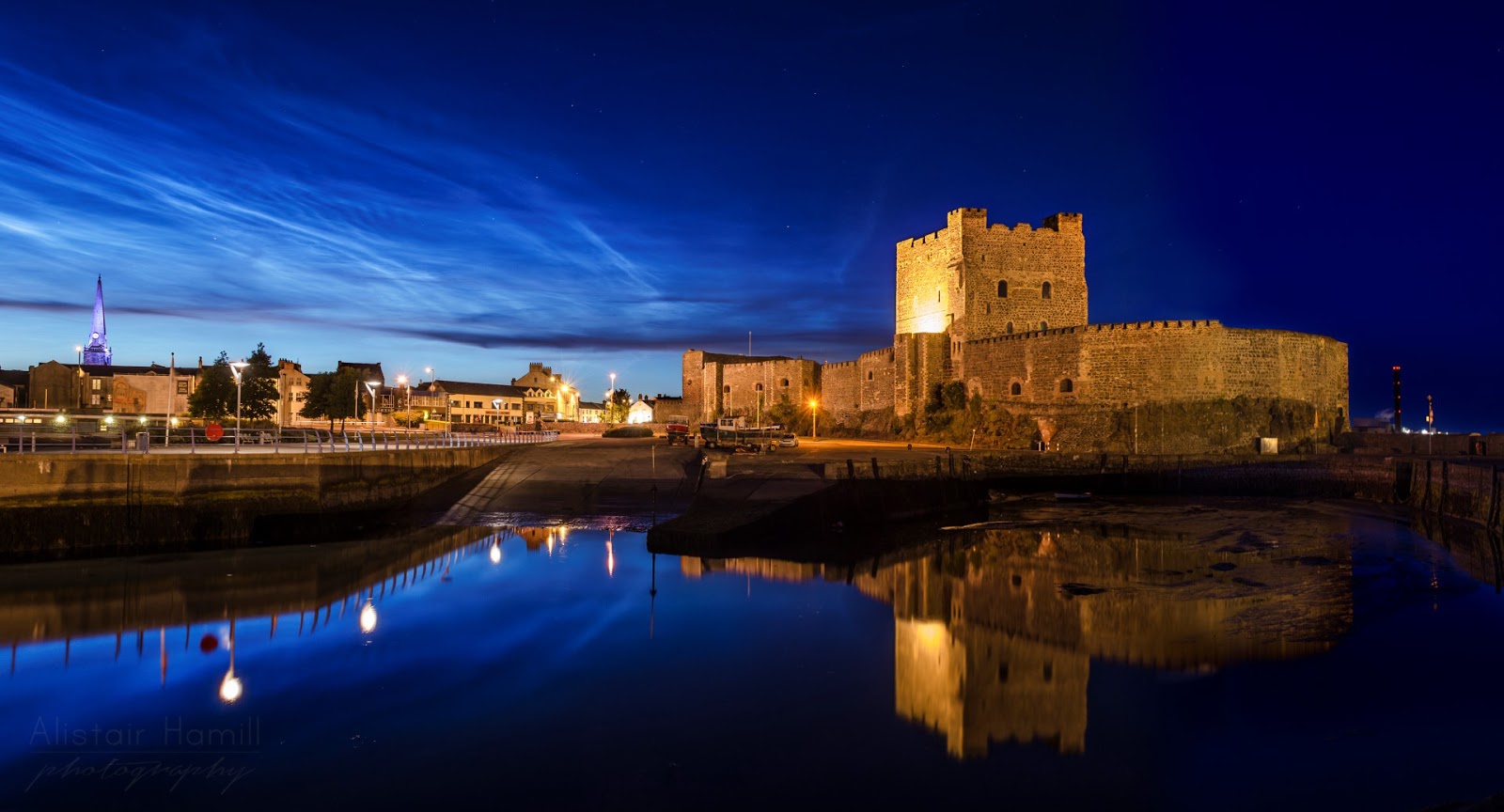
SLANE is an old Irish folk tune associated with the ballad “With My Love on the Road” in Patrick W. Joyce’s Old Irish Folk Music and Songs (1909). It became a hymn tune when it was arranged by David Evans (PHH 285) and set to the Irish hymn “Be Thou My Vision” published in the Church Hymnary (1927).…
1 Be Thou my Vision, O Lord of my heart;
be all else but naught to me, save that Thou art;
be Thou my best thought in the day and the night,
both waking and sleeping, Thy presence my light.
2 Be Thou my Wisdom, be Thou my true Word;
be Thou ever with me and I with Thee, Lord;
be Thou my great Father, and I Thy true son,
be Thou in me dwelling, and I with Thee one.
3 Be Thou my Breastplate, my Sword for the fight;
be Thou my whole Armor, be Thou my true Might;
be Thou my soul’s Shelter, be Thou my strong Tow’r,
O raise Thou me heav’nward, great Pow’r of my pow’r.
4 Riches I heed not, nor man’s empty praise,
be Thou mine inheritance, now and always;
be Thou and Thou only the first in my heart,
O High King of heaven, my Treasure Thou art.
5 High King of heaven, Thou heaven’s bright Sun,
O grant me its joys, after vict’ry is won;
Great Heart of my own heart, whatever befall,
still be Thou my Vision, O Ruler of all.
“Be Thou My Vision” (Old Irish: Rop tú mo baile or Rob tú mo bhoile) is a traditional Christian hymn of Irish origin. The words are based on a Middle Irish poem that has traditionally been attributed to Dallán Forgaill.
The best-known English version, with some minor variations, was translated in 1905 by Mary Elizabeth Byrne, then made into verse by Eleanor Hull and published in 1912. Since 1919 it has been commonly sung to an Irish folk tune, noted as “Slane” in church hymnals,and is one of the most popular hymns in the United Kingdom.
The original Old Irish text, “Rop tú mo Baile”, is often attributed to Saint Dallán Forgaill in the 6th century.
However, scholars believe it was written later than that. Some date it to the 8th century; others put it as late as the 10th or 11th century. A 14th-century manuscript attributed to Adhamh Ó Cianáin contains a handwritten copy of the poem in Middle Irish, and is held at the National Library of Ireland. A second manuscript is at the Royal Irish Academy, dating from about the 10th or 11th century.
The text of “Rop tú mo Baile”/”Be Thou My Vision” reflects aspects of life in Early Christian Ireland (c.400-800 AD). The prayer belongs to a type known as a lorica, a prayer for protection. The symbolic use of a battle-shield and a sword to invoke the power and protection of God draws on Saint Paul’s Epistle to the Ephesians (Ephesians 6:16–17), which refers to “the shield of faith” and “the sword of the Spirit”. Such military symbolism was common in the poetry and hymnnology of Christian monasteries of the period due to the prevalence of clan warfare across Ireland. The poem makes reference to God as “King of the Seven Heavens” and the “High King of Heaven”. This depiction of the Lord God of heaven and earth as a chieftain or High King (Irish: Ard Rí) is a traditional representation in Irish literature; medieval Irish poetry typically used heroic imagery to cast God as a clan protector.
In 1905, “Rop tú mo Baile” was translated from Old Irish into English by Mary Elizabeth Byrne in Ériu, the journal of the School of Irish Learning. The English text was first versified in 1912 by Eleanor Hull, president of the Irish Literary Society, and this is now the most common text used.
The hymn is sung to the melody noted as “Slane” in hymnals, an Irish folk tune in 3
4 time, first published as “With My Love on the Road” in Patrick Joyce’s Old Irish Folk Music and Songs in 1909. The tune is a more elemental distillation of earlier forms, such as “The Hielan’s o’ Scotland’ and “By the Banks of the Bann,” also compiled in Joyce (1909). The words of “Be Thou My Vision” were first combined with this tune in 1919 (harmonised by Leopold L Dix, 1861-1935), and in a new version harmonised by David Evans in 1927. A further version was harmonised by Erik Routley for the English Hymnal.
In some modern renditions the rhythm of “Slane” is adapted to 4
4.
It was common practice to attribute hymn tune names to the place where they were collected by folk song collectors, such as Ralph Vaughan Williams who co-edited The English Hymnal, published in 1906. Slane is a village in Ireland.
Four more 20th century hymns have been set to the same tune. The first was “Lord of All Hopefulness” written by Jan Struther around 1931.The second was “Lord of Creation, to Thee be All Praise” written by J. C. Winslow and first published in 1961. The third was a popular wedding hymn, “God, In the Planning and Purpose of Life”, written by John L. Bell and Graham Maule and first appearing in publication in 1989. The fourth is “Wake Now My Senses,” written by Thomas Michaelson and published in “Singing the Living Tradition Hymnal” 1994, by the Unitarian Universalist Association.
The original texts of the now-called “Be Thou My Vision” are in Old Irish similar still in style to Modern Irish. The hymn has been translated into Modern Irish many times. The most popular is that by Aodh Ó Dúgain of Gaoth Dobhair, County Donegal. Two verses of his translation were recorded by his granddaughter Moya Brennan – the first time any part of his text has been publicly recorded. Since then, those two verses have been recorded by many artists, including Roma Downey and Aoife and Iona. These verses are very close translations to the first two of the Old Irish text above.
With Old Irish being the ancestor language of Modern Scottish Gaelic, the song was translated by Céitidh Mhoireasdan and published by Sabhal Mòr Ostaig.
Two variants of Eleanor Hull’s 1912 English translation exist; one version, commonly used in Irish and Scottish hymnals (including the Hymnbooks of the Church of Scotland), fits the metre 10.10.10.10, while a paraphrased version that is used in English books (such as the New English Hymnal) is suitable to an anacrucial metre 10.11.11.11.
English version by Eleanor Hull (1912)
Be Thou my Vision, O Lord of my heart;
Naught be all else to me, save that Thou art.
Thou my best Thought, by day or by night,
Waking or sleeping, Thy presence my light.
Be Thou my Wisdom, and Thou my true Word;
I ever with Thee and Thou with me, Lord;
Thou my great Father, I Thy true son;
Thou in me dwelling, and I with Thee one.
Be Thou my battle Shield, Sword for the fight;
Be Thou my Dignity, Thou my Delight;
Thou my soul’s Shelter, Thou my high Tow’r:
Raise Thou me heav’nward, O Pow’r of my pow’r.
Riches I heed not, nor man’s empty praise,
Thou mine Inheritance, now and always:
Thou and Thou only, first in my heart,
High King of Heaven, my Treasure Thou art.
High King of Heaven, my victory won,
May I reach Heaven’s joys, O bright Heav’n’s Sun!
Heart of my own heart, whatever befall,
Still be my Vision, O Ruler of all.
(The English Methodist version from 1964 omits verse 3.)
Alternative English version by Eleanor Hull (1912)
Be Thou my Vision, O Lord of my heart;
Be all else but naught to me, save that Thou art;
Be Thou my best thought in the day and the night,
Both waking and sleeping, Thy presence my light.
Be Thou my Wisdom, and Thou my true Word;
Be Thou ever with me, and I with Thee, Lord;
Be Thou my great Father, and I Thy true son;
Be Thou in me dwelling, and I with Thee one.
Be Thou my Breastplate, my Sword for the fight;
Be Thou my whole Armor, be Thou my true Might;
Be Thou my soul’s Shelter, be Thou my strong Tow’r,
O raise Thou me heav’nward, great Pow’r of my pow’r.
Riches I heed not, nor man’s empty praise;
Be Thou mine inheritance, now and always;
Be Thou and Thou only the first in my heart,
O high King of heaven, my Treasure Thou art.
High King of heaven, Thou heaven’s bright Sun,
O grant me its joys, after vict’ry is won;
Great Heart of my own heart, whatever befall,
Still be Thou my vision, O Ruler of all.
English translation by Mary Byrne (1905)
Be thou my vision O Lord of my heart
None other is aught but the King of the seven heavens.
Be thou my meditation by day and night.
May it be thou that I behold ever in my sleep.
Be thou my speech, be thou my understanding.
Be thou with me, be I with thee
Be thou my father, be I thy son.
Mayst thou be mine, may I be thine.
Be thou my battle-shield, be thou my sword.
Be thou my dignity, be thou my delight.
Be thou my shelter, be thou my stronghold.
Mayst thou raise me up to the company of the angels.
Be thou every good to my body and soul.
Be thou my kingdom in heaven and on earth.
Be thou solely chief love of my heart.
Let there be none other, O high King of Heaven.
Till I am able to pass into thy hands,
My treasure, my beloved through the greatness of thy love
Be thou alone my noble and wondrous estate.
I seek not men nor lifeless wealth.
Be thou the constant guardian of every possession and every life.
For our corrupt desires are dead at the mere sight of thee.
Thy love in my soul and in my heart —
Grant this to me, O King of the seven heavens.
O King of the seven heavens grant me this —
Thy love to be in my heart and in my soul.
With the King of all, with him after victory won by piety,
May I be in the kingdom of heaven, O brightness of the sun.
Beloved Father, hear, hear my lamentations.
Timely is the cry of woe of this miserable wretch.
O heart of my heart, whatever befall me,
O ruler of all, be thou my vision.
 Milo
Milo 